Couch Potato Parenting

Imagine your ten-year-old child walks into the living room shedding his coat. He drops it on the floor or on the couch. You tell him to hang it up. He runs across the room to greet the dog. You tell him again, a little louder. He is distracted by the TV show you are watching and sits down, eyes glued to the tube. “Hang up your coat!” you yell, now furious that the little light of your life never does a damn thing you tell him to do until you roar at full volume.

I know we all wish there was a magic fix for this behavior, but there isn’t. And as much as you probably don’t want to hear this, it’s your behavior that has to change if you want your children to mind you the first time you tell them to do something. You have to get up and physically make your child mind–the first time he ignores you. Don’t repeat yourself. Don’t yell. Stop being a couch potato parent.

To change this behavior, never (ever, ever) give your child a command unless you are ready, willing, and able to immediately follow through to see that it is done.

It’s really quite simple. You tell a child to do something once, then you get up off that couch, gently take that little body to where it needs to go, and assist with the process while saying (in the kindest voice you can muster), “I told you to hang up your coat.” And then, even though you helped every step of the way, and contrary to all reason, once the task is done, you thank the little monster for hanging up his coat.

This simple act tells a child that you mean what you say and you will follow through – every single time. Ignoring you will no longer be tolerated. This works, amazingly well, and changes a child’s behavior very quickly, but only if you are consistent.

The major lesson here? You allowed this behavior to develop. You taught your child that he only has to mind you when you lose your temper. If you want to change his behavior, you have to change yours.

The key, and the hardest part, is to kill them with patience and kindness. When you get up off that couch and take those little hands in yours to reach for that coat, be gentle and loving. When you say, “Good job hanging up your coat!” say it with a small amount of enthusiasm (not sarcasm). This can be hard to do, especially if your child is physically or verbally resisting. Most of the time they will. You’ll hear, “Let me go! I can do it myself!” Ignore this. Just follow through taking those hands, picking up the coat together, holding the coat together, and duck-walking to the closet.

If you use this approach from the beginning, your toddler will learn that Mom and Dad say what they mean, mean what they say, and will always follow through.

As Much As Possible, Stop Punishing

Do you punish your child for the same behavior over and over and over again? Doesn’t that make you wonder if your punishment is working?

Again, lose the couch potato approach, though this issue will require mental pushups rather than a physical response. Whenever you think your child’s behavior is worthy of punishment, try to come up with a consequence instead. Here’s the hardest part: make the consequence fit the crime.

You tell your child to stop playing with his food and he continues, don’t argue or take away privileges. Pick up his plate. Dinner is over. If you tell her to pick up her dolls and she throws a fit, the dolls go into the attic for a week. You get the idea.

Consequences work especially well with older children and trust issues. For instance, your child spent the night at a friend’s house, but she was not where she was supposed to be. You tell her you are disappointed in her, remind her of the rules and drop it. She is going to feel like she got away with it. That is, until the next time she asks to spend the night at a friend’s house. You tell her no, the last time she didn’t follow the rules. She has no sleepover until further notice. She will demand that you tell her how long this punishment lasts. You tell her this is not a punishment, it is a consequence of her behavior. “Until I feel I can trust you to be where you say you are, you will not be sleeping over at anyone’s house.” Now the ball is in her court, to win back your trust.

Time outs and loss of privileges may remain your first choice, but the more you stretch your brain power and outmaneuver your child with logic and direct consequences for actions, the more you will prepare your child for the real world and the more they will respect the rules. Again, the key is consistency, patience, and a loving attitude.

Good parenting is a lot like warfare. Be strategic. Know your opponent, and act more than you react. Outmaneuver and anticipate. Always trust your gut instincts. Never make your decisions based on whether or not your kid will like you, make them based on what is best for your child. Start with getting off the couch.


Why Your Couch Is Killing You

A flame-retardant chemical known as chlorinated tris (TDCIPP) was removed from children’s pajamas in the 1970s amid concerns that it may cause cancer, but now it’s a ubiquitous addition to couch cushions across the US.

It can easily migrate from the foam and into household dust, which children often pick up on their hands and transfer into their mouths. A new study by scientists at the Environmental Working Group (EWG) and Duke University revealed just how ubiquitous this chemical actually is, as they found traces (and more) of TDCIPP in every study participant tested.

Children May Have Fives Times More Flame-Retardant Chemicals Than Their Moms

Aside from finding TDCIPP in 100 percent of study participants, the researchers found the average concentration in children was close to five times that of their moms.1 High levels of flame-retardant chemicals used to make FireMaster flame-retardant products were also detected.

Children are thought to have higher exposures to many types of chemicals because they spend more time on the floor, where contaminated dust settles, and also put their hands in their mouths more often than adults.

Since these toxins are not chemically bound to the plastics, foam, fabrics, and other materials to which they’re added, they easily leach out into your home where they accumulate in household dust.2 As reported by EWG:3

A study of house dust collected in California homes in 2006 and in 2011 found 41 different fire retardant chemicals in at least half of the samples. The same study reported significantly higher levels of Firemaster ® 550 compounds in 2011 compared to 2006, indicating increasing use.

The levels of TDCIPP in some house dust exceeded the U.S. Environmental Protection Agency’s health risk guidelines.”

The Duke researchers revealed in a separate study that children who wash their hands at least five times a day have 30 percent to 50 percent lower levels of flame retardants on their hands than children who wash their hands less frequently.4

Unfortunately, even though children are among those most at risk from flame-retardant chemicals’ ability to disrupt and harm development, products intended for kids and babies are among those most likely to be doused in flame-retardant chemicals.

For instance, such chemicals were detected in 60 percent of 2011 car seats tested by The Ecology Center,5 most likely in the polyurethane foam. A separate study in Environmental Science & Technology6 also detected flame-retardant chemicals in 80 percent of the following children’s products tested:

Nursing pillows Baby carriers Car seats
Changing table pads High chairs Strollers
Bassinets Portable cribs Walkers
Baby tub inserts and bath slings Glider rockers Sleeping wedges

Couch Cushions and Mattresses Are Among the Worst Offenders

In 1975, California Technical Bulletin 117 (TB117) was passed. It requires furniture sold in California to withstand a 12-second exposure to a small flame without igniting.

Because of California’s economic importance, the requirement became more or less a national standard, with large amounts of flame-retardant chemicals added to household goods.

Research published in Environmental Science & Technology revealed that 85 percent of couch foam samples tested contained chemical flame retardants.7The samples came from more than 100 couches purchased from 1985 to 2010.

As of July 1, 2007, all US mattresses are required to be highly flame retardant as well, to the extent that they won’t catch on fire if exposed to a blowtorch. This means that the manufacturers are also dousing them with highly toxic flame-retardant chemicals, which do NOT have to be disclosed in any way.

If you want to avoid flame retardants in your mattress, you can have a licensed health care provider write you a prescription for a chemical-free mattress, which can then be ordered without flame retardants from certain retailers.

You can also find certain natural mattresses on the market that don’t contain them. For instance, most wool mattresses do not have flame-retardant chemicals added because wool is a natural flame retardant.

Given the blatant dangers posed by flame retardants, in late November 2013 California’s governor ordered that TB117 be rewritten to ensure fire safety without the use of these chemicals. Starting in January 2014, furniture manufacturers began producing furniture that’s not required to use flame-retardant chemicals, and full compliance is expected by January 2015.

Unfortunately, the updated law only states that the chemicals are no longer required; it doesn’t ban them outright. This means that some companies may continue to use them, and if you’re in the market for new furniture, you’ll need to ask for that made without flame-retardant chemicals.

What Are the Health Risks of Flame-Retardant Chemicals?

Flame-retardant chemicals have been linked to serious health risks, including infertility, birth defects, neurodevelopmental delays, reduced IQ scores and behavioral problems in children, hormone disruptions, and various forms of cancer.

The risks may be especially dangerous to children, as research revealed that children born to women who were exposed to high levels of flame-retardant chemicals called polybrominated diphenyl ethers (PBDEs) during pregnancy had, on average, a 4.5 point decrease in IQ.8 Such children are also more prone to hyperactivity disorders.

PBDEs were voluntarily withdrawn from the American market in 2004, but there are still many products on the market that were manufactured before that time – and these products can continue to release PBDEs into your environment.

Previous research has suggested PBDEs may also lead to decreases in TSH (thyroid-stimulating hormone).9 When present with normal T4 levels, low TSH is typically a sign that you’re developing hyperthyroidism, which can have significant ramifications both for you and your unborn child if you’re pregnant.

And these chemicals aren’t only dangerous when they transfer into your household dust and indoor air. Ironically, when and if they do catch fire, these chemicals outgas toxins into your air that may kill you faster than “regular” smoke alone. When on fire, objects doused in flame retardants (yes, they can still catch fire) give off higher levels of carbon monoxide, soot, and smoke than untreated objects. These three things are more likely to kill a person in a fire than burns, which means flame-retardant chemicals may actually make fires more deadly.

Flame-retardant chemicals belong to the same class of chemicals as DDT and PCBs (organohalogens), and like the former, they too build up in the environment. These chemicals also react with other toxins as they burn to produce cancer-causing dioxins and furans. This helps explain why female firefighters aged 40 to 50 are six times more likely to develop breast cancer than the national average, likely due to California’s early use of flame-retardant chemicals. Firefighters of both genders also have higher rates of cancer, in part because of the high levels of dioxins and furans they’re exposed to when flame-retardant chemicals burn.

Flame-Retardant Furniture Probably Won’t Save Your Life in a Fire…

Flame-retardant chemicals were developed in the 1970s, when 40 percent of Americans smoked and cigarettes were a major cause of fires. The tobacco industry, under increasing pressure to make fire-safe cigarettes, resisted the push for self-extinguishing cigarettes and instead created a fake front group called the National Association of State Fire Marshals. The group pushed for federal standards for fire-retardant furniture… and their efforts paid off.

The chemical industry claims that fire-retardant furniture increases escape time in a fire by 15-fold. In reality, this claim came from a study using powerful, NASA-style flame retardants, which did give an extra 15 seconds of escape time. This is not the same type of chemical used in most furniture, and government and independent studies show that the most widely used flame-retardant chemicals provide no benefit for people while increasing the amounts of toxic chemicals in smoke. Drops in fire-related deaths in recent decades are not related to the use of flame-retardant chemicals, but instead are due to newer construction codes, sprinkler systems, fire alarms, and self-extinguishing cigarettes.

Reduce Your Family’s Exposure to Flame Retardants

There’s a good chance flame-retardant chemicals are lurking in your home right now. Until these chemicals are removed from use entirely, tips you can use to reduce your exposure around your home include:10

  • Be especially careful with polyurethane foam products manufactured prior to 2005, such as upholstered furniture, mattresses, and pillows, as these are most likely to contain PBDEs. If you have any of these in your home, inspect them carefully and replace ripped covers and/or any foam that appears to be breaking down. Also, avoid reupholstering furniture by yourself, as the reupholstering process increases your risk of exposure.
  • Older carpet padding is another major source of PBDEs, so take precautions when removing old carpet. You’ll want to isolate your work area from the rest of your house to avoid spreading it around, and use a HEPA filter vacuum to clean up.
  • You probably also have older sources of the PBDEs known as Deca in your home, and these are so toxic they are banned in several states. Deca PBDEs can be found in electronics like TVs, cell phones, kitchen appliances, fans, toner cartridges, and more. It’s a good idea to wash your hands after handling such items, especially before eating, and at the very least be sure you don’t let infants mouth any of these items (like your TV remote control or cell phone).
  • As you replace PBDE-containing items around your home, select those that contain naturally less flammable materials, such as leather, wool, and cotton.
  • Look for organic and “green” building materials, carpeting, baby items, mattresses, and upholstery, which will be free from these toxic chemicals and help reduce your overall exposure. Furniture products filled with cotton, wool, or polyester tend to be safer than chemical-treated foam; some products also state that they are “flame-retardant free.”
  • PBDEs are often found in household dust, so clean up with a HEPA-filter vacuum and/or a wet mop often.

Another Way Your Couch Can Kill You That Has Nothing to Do with Chemicals…

Flame-retardant chemicals are only one major health risk linked to sitting on your couch. The other? Sitting in and of itself, assuming it’s done excessively (and most people sit excessively). One 2012 analysis that looked at the findings from 18 studies found that those who sat for the longest periods of time were twice as likely to have diabetes or heart disease compared to those who sat the least.11 Sitting for extended periods of time also increases your risk for premature death, and separate research found that women who sat for more than seven hours a day had a 47 percent higher risk of depression than women who sat for four hours or less per day.12

Even temporary vigorous exercise can’t completely compensate for the damage incurred by prolonged daily sitting. In fact, it’s becoming increasingly clear that staying active—and by that I mean engaging in virtually any physical movement—as much as possible, throughout the day, is critical for health and longevity. So keep in mind that your couch can kill in one of two ways… via chemical exposures and by seducing you into too much sitting.

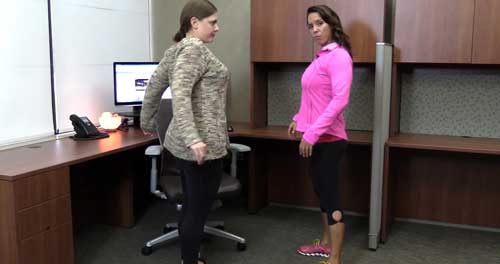
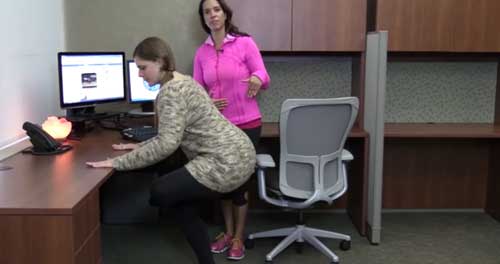
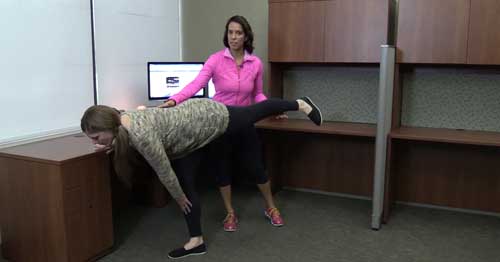
Of course, you may also be doing a lot of sitting elsewhere, like at your office desk or in your car. The following videos, featuring Jill Rodriguez, offer a series of helpful intermittent movement beginner and advanced exercises you can do right at your desk (or virtually anywhere). For a demonstration of each technique, please see the corresponding video in the two tables below. I suggest taking a break to do one set of three exercises anywhere from once every 15 minutes to once per hour throughout your day. For even more suggestions, please refer to my previous article on intermittent movement.

Technique #1: Standing Neck-Stretch: Hold for 20 seconds on each side.

Technique #2: Shoulder Blade Squeeze: Round your shoulders, then pull them back and pull down. Repeat for 20-30 seconds.

Technique #3: Standing Hip Stretch: Holding on to your desk, cross your left leg over your right thigh and “sit down” by bending your right leg. Repeat on the other side.

Technique #4: The Windmill: Stand with feet shoulder-width apart, then pivot your feet to the right. Push your hip out to the left. Raising your left arm skyward, and your right arm toward the floor, lower your body toward the floor while looking up, and then raise your torso back to standing position. Repeat on the other side.

Technique #5: Side Lunge: Starting with your feet together, take a medium step sideways, and bend down as if you’re about to sit. Use your arms for balance by reaching out in front of you. Return to starting position, and repeat 10-20 times. Repeat on the other side.

Technique #6: Desk Push-Up: Place hands a little wider than shoulder-width apart on your desk. Come up on your toes to make it easier to tip forward. Do 10 repetitions.

Technique #7: Squat to Chair: With your feet shoulder-width apart, sit down, reaching forward with your hands, and stand back up in quick succession. Do 15-20 repetitions.

Technique #8: Single Leg Dead Lift: Place your right hand on your desk, and place your weight on your right leg. Fold your torso forward, while simultaneously lifting your left leg backward. Do 10 repetitions on each side.

Technique #9: Mountain Climber: Get into a push-up position on the floor. Pull your right knee forward to touch your right wrist or arm, then return to push-up position. Repeat on the other side. Try to pick up the pace, and do 20 quick repetitions.

Standing Neck Stretch Shoulder Blade Squeezes Standing/Seated Hip Stretch

Windmill Side Lunge Push up
Squat to Chair Single Leg Dead Lift Mountain Climber
Related Reading:
Related Products:


Study Finds Girls Now Enter Puberty Even Earlier Than Previously Thought

A new longitudinal1 study found that girls are developing breasts at an increasingly younger age, which is part of a disturbing trend in the sexual development of our children. American girls (and boys) are hitting puberty earlier than ever before, and upward trends in childhood obesity seem to be playing a major role.

You may be shocked by the latest childhood obesity statistics. As reported byHuffington Post:2

  • 17 percent of children and adolescents are now obese
  • Childhood obesity has nearly tripled since 1980
  • Obesity among kids ages two to five has doubled over the past 30 years, and one in five kids is now overweight by age six
  • More than half of obese children were overweight by their second birthday
  • The food industry spends more than $1.8 billion marketing to kids each year3—and what they’re selling is primarily processed food and junk food

Data for the puberty study, published in the November 2013 issue ofPediatrics,4 came from a cohort of more than 1,200 girls in and around San Francisco, Cincinnati, and New York City between the ages of six and eight.

Researchers found some cultural variability, but overall, concluded that girls are entering puberty earlier than in the past. Early sexual maturation is not a recent development, nor is it a phenomenon limited to United States. It is a global phenomenon, especially in developed nations.5

Obesity May Be More Significant for Early Puberty Than Previously Thought

Maturing at a younger age brings many long-term risks, both in terms of physical and mental health.6 The pace of sexual development has generally been attributed to three primary factors, according to the website for Theo Colborn’sOur Stolen Future:7

  1. Obesity
  2. Social factors (such as family environment, stress, overt sexuality in the media, etc.)
  3. Toxic contamination (environmental chemicals and pollutants, hormones and hormone-mimics, pesticides, chemicals in plastics, etc.)

According to the featured study, obesity appears to be the most significant factor driving early puberty—or perhaps it’s just the easiest to quantify. Overweight and obese girls in this study developed breasts about a year earlier than normal-weight girls (age eight versus age nine, respectively).

Obesity exposes girls to higher estrogen levels because estrogen is both produced and stored in fat tissue. Girls carrying excess body fat have more estrogen and leptin, which can lead to insulin resistance and the development of more fat tissue, which produces even more estrogen, a vicious cycle that can eventually result in premature puberty, among other problems.

Boys are not immune to the effects of estrogenic chemicals—males of all species are becoming more female, including human boys. Childhood obesity is a growing epidemic in developed countries and raises your child’s risk for the following serious health concerns, often persisting into adulthood. However, this is just the tip of the iceberg.8

  • Impaired insulin resistance and type 2 diabetes
  • Cardiovascular disease, asthma, and other respiratory problems
  • Fatty liver disease
  • Joint and musculoskeletal problems, and lower extremity fractures9
  • Gallstones and gastroesophageal reflux (GERD)

Obesity and Toxic Environmental Chemicals: Two Sides of Same Coin?

There is mounting scientific evidence that environmental contaminants have hormone-mimicking properties that may play a role in premature sexual development. However, it is difficult to measure these effects, as strong as their theoretical basis may be. In terms of research, it’s much easier to correlate a child’s age of onset of puberty with her body mass index (BMI) than with her level of exposure to plastics or pesticides.

However, the obesity and contamination factors are likely two sides of the same coin, having been linked in multiple scientific studies.

The same chemicals that contribute to precocious puberty are in fact also significant players in obesity, such as phthalates.10111213 Even low levels of toxic chemicals (dioxins, PCBs, BPA, and phthalates) have been shown to cause metabolic changes in mice.

Perhaps the relationship between endocrine-disrupting chemicals and precocious puberty will be clearer in the near future, as the researchers in this latest longitudinal study plan to tackle the chemical exposure issue next.14 For a list of the top 10 chemicals that can potentially cause early puberty in your child, please refer to my previous article on this topic.

The Age of Onset of Puberty Has Dropped Four Years Since 1920

The age of puberty onset for both girls and boys has been steadily dropping throughout recorded history. According to German researchers,15 the onset of puberty for girls has shown the following disturbing trend over the past 150 years:

Age of Onset of Puberty for Girls
Year Average Age (Years)
1860 16.6
1920 14.6
1950 13.1
1980 12.5
2010 10.5

As you can see, the average age for girls has fallen by four years since 1920 and six years over the last century. The statistics for boys parallel those for girls, with a delay of about one year. According to another study in the journal Pediatrics,16 boys are now beginning sexual development anywhere from six months to two years earlier than the medically accepted standard. While some may shrug off the significance of this trend, it actually has quite profound implications as it can adversely affect your child’s physical and emotional development in a number of ways. Premature puberty has both physical and psychosocial implications that may potentially affect your child well into adulthood—in fact, for the rest of his or her life.

The Physical Consequences of Precocious Puberty

Early onset puberty has been found to have a number of problematic effects. In terms of the physical, your child may have increased risk for the following:

  • Hormone-related cancers later in life for girls reaching puberty early, such as breast cancer, due to the early rise in estrogen
  • Some have suggested early puberty may be linked to thyroid abnormalities, brain tumors, and testicular cancer in boys, although these effects have not been proven1718
  • Short stature as adults—once puberty completes, growth generally stops

Far-Reaching Psychological Effects

Perhaps even more concerning are the psychosocial effects of premature puberty. An article containing an extensive review of the literature about the psychosocial effects of precocious puberty reveals just how potentially damaging early sexual development is to your child. When your child’s physical body matures too early, there is not enough time for her mind to adjust to those changes, often producing feelings of fear, confusion, and social isolation.19 The authors explain:

“Early maturation ignites a series of negative environmental responses that influence the course of future development. For example, precocious maturation may cause peers to behave differently towards early maturing girls, which results in social difficulties and feelings of isolation. Early developing girls may seek out friends who are similarly mature or find themselves attracted to older boys, both of which might result in weakening peer relationships.”

As a result of this increased stress, children experiencing early puberty have been shown to have an increased risk for a variety of social, emotional, and behavioral problems, as outlined in the following table. You will see that the effects are truly far reaching and can forever change the course of your child’s life. This is not intended to scare you or bring doom and gloom, but to raise your awareness in the event your child is an early maturer, so that you can provide her the emotional support needed to deal with it. If she reaches puberty ahead of schedule, you will need to be especially aware of and sensitive to her unique developmental needs and challenges.

Depression and Anxiety: There is a link between early menarche and anxiety, especially panic attacks. Panic attacks have been found to occur more frequently among sixth and seventh grade girls who display early sexual development. Early maturers are also more likely to report psychosomatic symptoms, such as headaches, upset stomachs, and sleep disturbances.
Eating Disorders: Early maturing girls are more likely to report body dissatisfaction and poor self-esteem during adolescence and to engage in excessive dieting and disordered eating. Poor body image seems to persist among early maturers even after same-age peers have achieved puberty. Girls may internalize their changing physical appearance as a way that they are “different” from peers, which may manifest as self-consciousness or attempts to “reduce” their changing bodies. Body dissatisfaction seems to be amplified by concurrent life stressors.
Substance Abuse: Early pubertal development is associated with increased (and earlier onset) smoking, drinking, and illegal drug experimentation with increased likelihood of life-long substance abuse. Conversely, late pubertal maturation predicts abstinence well beyond the end of puberty.
Premature Sexual Activity: Girls who experience earlier menarche begin to date before their peers and tend to be sexually active earlier. By the age of18, girls who have experienced early menarche are more than twice as likely to have given birth or terminated a pregnancy than their peers.
Delinquency: Early menarche has been associated with shoplifting, vandalism, fighting, and weapon possession. Early maturation significantly predicts engagement in violent delinquent behavior (such as burglary, fighting, gang membership, and shooting or stabbing another person), according to one study. Girls who develop early can be targeted by other girls for bullying, and by older boys for unwanted sexual attention.20
Reduced Academic Performance: Early maturing girls are more likely to exhibit poor academic performance in high school than on-time or later maturing peers. Conversely, later maturation has been associated with higher grades. Early maturers are more likely to report getting in trouble at school, absenteeism, and truancy. They report less interest in academic subjects and are less likely to pursue college education and tend to have lower-paying jobs. This effect is magnified in girls experiencing extremely early puberty.

Tips for Preventing Obesity and Reducing Exposure to Hormone-Disrupting Chemicals

As you can see, precocious puberty is much more than an incidental trend. You can minimize problems by taking steps to optimize your child’s physical and emotional health, beginning the day she is born—or failing that, beginning today! In addition to avoiding excess sugar, junk food, and toxic products, make sure your children get adequate exercise, which is crucial in preventing them from becoming overweight or obese. Physical activity is important for both physical and mental health.

You can cut back on your family’s exposure to dangerous chemicals by implementing the following 16 guidelines. Pregnant women and women who may become pregnant should pay particular attention to reducing their exposure as much as possible, in order to protect the health of their unborn babies.

  1. Eat fresh, whole, non-GMO, preferably organic produce and free-range, organic meats to reduce your exposure to added hormones, pesticides, and fertilizers. Also, avoid milk and other dairy products that contain the genetically engineered recombinant bovine growth hormone (rBGH or rBST). Processed, prepackaged foods are a major source of soy and chemicals such as BPA and phthalates.
  2. Rather than eating conventional or farm-raised fish, which are often heavily contaminated with PCBs and mercury (which also has hormone-disrupting effects), supplement with a high-quality purified krill oil, or eat fish that is wild-caught and lab tested for purity. Wild-caught Alaskan salmon is about the only fish I eat for these reasons.
  3. Filter your tap water—both for drinking and bathing. In fact, if you can only afford to do one, filtering your bath water may be more important, as your skin absorbs contaminants. To remove the endocrine disrupting herbicide Atrazine, make sure the filter is certified to remove it.
  4. Avoid non-fermented soy, especially if you’re pregnant. Also, never use soy-based infant formula.
  5. Optimize your (and your child’s) vitamin D levels. A 2011 study found that girls who are vitamin D deficient may be more than twice as susceptible to premature puberty as girls with optimal vitamin D levels.
  6. Store your food and beverages in glass rather than plastic containers, and avoid using plastic wrap and canned foods (which are often lined with BPA-containing liners).
  7. Use glass baby bottles and BPA-free Sippy cups for your little ones, and never, ever, ever microwave your child’s food in plastic containers. (It’s best to avoid microwaving food altogether.)
  8. Make sure your baby’s toys are BPA-free, such as pacifiers, teething rings, and anything your child may put in her mouth.
  9. Use only natural cleaning products in your home to avoid phthalates and other toxic ingredients.
  10. Switch over to natural brands of toiletries such as shampoo, toothpaste, deodorant, and cosmetics. Avoid all fluoride-containing products and fluoridated water. The Environmental Working Group’s Skin Deep Database21 is a great resource for finding personal care products that are free of phthalates, parabens, and other potentially dangerous chemicals.
  11. Avoid using artificial air fresheners, dryer sheets, fabric softeners, and synthetic fragrances.
  12. Replace your non-stick pots and pans with ceramic or glass cookware.
  13. When remodeling your home, look for “green,” toxin-free alternatives in lieu of regular paint and vinyl floor coverings.
  14. Replace your vinyl shower curtain with a fabric one.
  15. When buying new products such as furniture, mattresses, and infant cribs, or carpet padding, ask what type of fire retardant it contains. Be mindful of and/or avoid items containing PBDEs, antimony, formaldehyde, boric acid, and other brominated chemicals—all of which can have an adverse effect on your hormones. As you replace these toxic items around your home, select those that contain naturally less flammable materials, such as leather, wool, and cotton.
  16. Avoid stain- and water-resistant clothing, furniture, and carpets to avoid perfluorinated chemicals (PFCs).


How to Clean Your Floors with Homemade Non-toxic Cleaners Instead of Store Bought Chemicals

Our floors are the largest surface area in our homes that require regular cleaning. If we use chemicals, we breathe them in day and night until they dissipate. There is no need to add to our indoor air pollution when we can use simple and handy, homemade cleaning solutions.

How to Clean Wood, Bamboo, and Laminate Floors

It would be so easy to clean every floor of our home with a steam cleaner. No muss, no fuss, nothing but water turned to steam. But regardless of the claims made by the manufacturers, steam cleaners can damage wood, bamboo, and laminate floors.

Laminate floors consist of layers of materials glued together. Any water, but especially steam, will break down the bonds between layers, causing them to buckle and split. Steam can strip the finish that is protecting your hardwood floor. Moisture that seeps into the wood will cause grains to swell and the wood to warp and splinter.

The primary rule for bamboo, laminate, and hardwood floors is the same: do not wet mop–dry mop (though damp mop would be a better descriptive term). After thoroughly sweeping or vacuuming your floor, use a well wrung out sponge or rag mop with plain water, water with a few drops of essential oil, or water with 1/4 cup of vinegar (added to a 2 gallon bucket). Use warm water; it will evaporate faster than cold. Buff the floors dry with a soft cloth or towel.

Perusing the net, you will find other suggestions such as 1/2 cup of lemon juice added to water. However, a manufactures’ site warns against using citrus to clean laminate flooring as it will damage the finish after repeated use.  Many sites, including a manufacturer’s site, suggest using 1/4 cup of dish soap to a bucket of water to clean sealed hardwood floors–without rinsing. But it only stands to reason that, over time, soap residue would accumulate. If you do rinse, you are using more water. Since the object is to clean with the least amount of water possible, this method doesn’t make sense.

One wood laminate manufacturer suggests mixing vinegar and water into a spray bottle. Rather than spraying the liquid on the floor, use it to dampen the bottom of your dust mop.

Another solution, claimed to be even better for wood floors than vinegar, is cleaning with tea. Brew black tea, (1 tea bag per cup of water) and either fill a spray bottle to mist the floor (a small area at a time) then follow with a damp mop, or make enough tea to immerse your mop in a bucket. As before, wring out your mop so it is as dry as possible.

How to Clean Linoleum, Tile, and Stone

Linoleum and tile floors can also be cleaned with vinegar and water. The ratios vary according to preference from 1/4 cup of vinegar to a one-to-one ratio of vinegar to water.  For a really dirty floor, try the following recipe:

  • 1/4 cup white vinegar
  • 1/4 cup baking soda
  • 1 tablespoon liquid dish soap (remember to choose a natural soap)
  • 2 gallons hot water
  • Add a few drops of essential oil, if desired

Rinsing is not required, but if streaking occurs, rinse.

Do not use lemon juice, vinegar or other acids on marble, limestone, or travertine. To wash these floors, use a squirt of liquid soap (such as castile soap or dish soap, not detergent) in your bucket of water and wet mop. Rinse. Too much soap will cause streaking.

These floors may be the best candidates for a steam mop, but first check with the manufacturer to be sure steam mopping does not void your warranty.

All floors of all types are scratched and scarred by dirt. Mats outside and inside each entrance can help limit the amount of dirt on your floors. A shoeless house can make a tremendous difference. Remember, how often you sweep or vacuum and what you use to mop your floors will determine the longevity of your floor’s finish as well as the level of pollution in your home.

Sources:


Natural Ways to Help Your Child Focus

(NaturalPapa – Derek Markham) Approximately 20 percent of ADHD cases in the United States are misdiagnosed, which leads to many kids being medicated when they do not need it. One reason for these children being misdiagnosed is the age difference within school classes. Children who are in the same grade can be born 364 days apart, so the younger children are bound to have a different level of maturity than the older ones. In many cases, the misdiagnoses are the result of a teacher recommending that the parents have their child tested and doctors treating the symptoms, rather than the underlying cause. This is becoming an epidemic in this country, but there are things that parents can do to eliminate the need for this medication by treating the symptoms naturally.

The Numbers

When you look at the numbers, you cannot help but be somewhat startled by what is happening in the United States. In the last 10 years, the number of ADHD diagnoses has increased by 41 percent. Since 2007, the number of children who are on drugs to treat the symptoms of ADHD has increased by 28 percent. In Louisiana, 9.2 percent of all children are taking ADHD medication, which is leading to a generation of medicated children. Keep in mind that the youngest children in a kindergarten class are 60 percent more likely to receive this diagnosis than the older children in that class, due to the difference in age and maturity.

The Problem with Medication

When a child is diagnosed with ADHD, he or she may be given Ritalin to treat the symptoms. This medication is meant to help the child focus. Unfortunately, there are side effects that many parents might not consider when agreeing to put their child on Ritalin. For example, this drug increases a child’s heart rate by 8.1 beats per minute and blood pressure increases by 6 percent. It can also hinder a child’s growth rates, as children who take this medication are 8.36 pounds lighter and 0.76 inches shorter, on average. This slowed growth rate is not reversible, so it is something that your child will struggle with for the rest of his or her life.

Omega 3 Fatty Acids

Whether your child has ADHD or not, you might want to come up with some natural ways to help him or her focus. For example, omega 3 fatty acids can help with a child’s memory, behavior and focus. These fatty acids are found in olive oil, flax oil and fatty fish, so make sure that your child consumes plenty of these foods. If you cannot get your child to eat fish on a regular basis, try purchasing some supplements, as they are available in tablet form and have been shown to improve children’s attention span and mood.

Overall Nutrition

The foods that your child eats can have an impact on his or her ability to focus. Try eliminating gluten, artificial flavors, sweeteners, refined sugars, food coloring and preservatives from your child’s diet. Limiting the carbs that the child consumes can also help, while allowing him or her to eat an abundance of healthy proteins like eggs, lean meats and chicken.

Natural Herbs

It has been suggested that adding certain herbs, such as ginseng, ginkgo, lemon balm, chamomile and bacopa to your child’s diet can help him or her to focus better. The idea is that these herbs can create an antioxidant effect in the brain, which can enhance the brain’s neurotransmitters. While more research is needed on the effectiveness of these herbs, they are certainly worth trying.

Echinacea Extract

Those who suffer from ADHD are more likely to have stress and anxiety, which can make the symptoms of the disorder even worse. Taking Echinacea extract supplements can have an influence on your child’s mood by relieving anxiety and, therefore, improving your child’s ability to concentrate. Echinacea triggers calm feelings in those who take it and does not come with any side effects, making it perfectly safe for children.


Raising Children on TV Disrupts Their Ability to Pay Attention and Learn

(NaturalNews – PF Louis) It’s almost intuitively obvious to most that too much TV viewing is conducive to physical deterioration and not conducive to mental development. But what types of viewing at what ages affects children’s ability to pay attention over amounts of time and assimilate actual learning from experience or studying has been a topic of several studies.

One of those studies even considered background TV as a major distraction. That is leaving the TV on most of the time even when not watching it for a specific purpose while a child is doing homework, or if parents watch a specific TV show while the kids are around doing whatever.

This study has determined that a TV show’s momentary distractions from whatever a child is doing helps promote a poor attention span or a tendency to be easily bored. It’s a sort of “there’s something more important or interesting on the tube” tendency.

The study’s paper was titled “Background television in the homes of American children.”

Background TV is like secondhand cigarette smoke; it pollutes others

The University of Iowa (UI) publication Iowa Now interviewed one of the lead authors of that study, Deborah Linebarger, associate professor in the UI College Education’s Department of Teaching and Learning. Locally, she worked with two UI graduate students in her department and networked with others in different universities.

The other university study contributors were Mathew Lapierre at the University of Pennsylvania’s Annenberg School for Communication and Jessica Piotrowski of the University of Amsterdam in the Netherlands.

Linebarger and her UI grad student associates conducted lengthy telephone surveys, often close to an hour long, among 1,454 households with children just under one year old to eight years old. Here are some of her comments from the Iowa Now interview:

“We discovered that the average American child was exposed to 232.2 minutes of background television on a given day. Using multiple regression analyses, we determined that younger children, children living in single-parent homes, and African-American children were exposed to significantly more background television than their older, multi-parent, and non-African-American peers.”

Linebarger added, “What was really distressing was the fact that the youngest kids, the ones under 2, were exposed to 5.5 hours of background TV per day.”

By calculating expected active TV watching and adding to the background TV, the researchers found that children two years and younger are exposed to six or seven hours of TV media daily.

And if we examine content of what’s going on with TVs that are simply kept on most of the time, there’s a lot of advertising of bad foods and bad medicine or a lot of bad or silly news, all in short visual clips and in sound bites.

This is how kids and are being programmed, and perhaps you were, or are, too. Moderate active viewing can be interesting, exciting or even occasionally uplifting or informative. Even then, too much is simply debilitating at any age. The younger the child, the more impressionable. This includes video gaming as well, which are often violent and addictive into later years.

It disrupts physical playing and social intercourse even within families. The tube has too much influence, which is why researchers recommend less active TV time and no background TV. It’s an enticing consciousness pollutant, and it can be the model of behavior to greater or lesser extent among children.

Regarding parents’ attitudes about background TV, Linebarger, who has four children of her own, explained: “[P]arents tend to leave the TV on all day even when no one is actively watching it. When I come into my house and no one is there, I like to turn on the TV to keep me company. And it’s easy to forget to turn it off… you get up and leave the room with it still there and on in the background.”

Sources for this article include:
http://now.uiowa.edu
http://psychcentral.com


4 Reasons Why Farmers’ Markets Boost Health, Body and Soul

(DrFrankLipman – Frank Lipman) In the last decade or so, hundreds if not thousands of farmers’ markets have opened their gates, creating a thriving alternative to industrially produced food and the impersonal food shopping experience. And while they haven’t totally replaced the supermarket, farmers’ markets are definitely taking a bite out of the industrial food business by offering an easy way to connect with beautiful, fresh, healthy food – and I couldn’t be more delighted.

With access to this healthy shopping option now easier than ever, here are four essential reasons why I believe farmers’ markets are fantastic for your body, mind, and spirit – and why everyone should support them.

1. Farmers’ Markets Are … Good for Your Body and the Earth

There’s a lot to like about food from the farmers’ market. For starters, it’s the farms themselves. Most are small, non-industrial, hands-on, often family-run or cooperative operations with close ties to their land. They tend to value and treat their land right, using low-impact, pesticide-free, sustainable farming methods, which are kinder and less poisonous to the soil and the food that’s grown in it. The result is produce that’s pretty close to organic, minus the official USDA certification.

When these nearly-organic foods arrive at the market, they’re fresh and unadulterated, not having been subjected to the preservative and ripening treatments used on much of the picked-too-early, trucked-in-from-2000-miles-away produce found at a typical supermarket. Even if you don’t count the smaller carbon food-print, you can’t ignore the fact that the stuff is fresh, having been picked at its nutritional peak, just a few hours before it’s in your hands – making farmers’ market produce among the healthiest you can buy.

2. Farmers’ Markets Are … an Excellent Way to Shed Extra Pounds

Granted it won’t happen overnight, but buying the majority of your produce, and when possible eggs, meats, and poultry, at the farmers’ market will help you drop weight. How? Simply by preventing you from buying cartfuls of health-sucking, weight-boosting processed crap. You’ll be choosing from whole, healthy, unprocessed foods – virtually nothing in a box, bag, or can.

You won’t fill your car with a trunk-load of added sugars, sodium, chemicals, or preservatives, thoughtfully wrapped in endocrine-disrupting plastic packaging. You’ll be buying and eating clean, nutrient-packed foods, and eliminating a vast majority of the processed food ingredients that have been keeping you fat and sick.

3. Farmers’ Markets Are … an Uplifting Sensory Experience, Not a Depressing Chore

For most of us, a trip to the supermarket is anything but enjoyable; it’s just one more mind-numbing chore on our never-ending to-do lists. A visit to the farmers’ market, however, is an event – and an experience that engages the senses. There are vivid colors to excite the eye, produce to sniff and squeeze for freshness, and at some markets, on-site musicians adding a live soundtrack to the festivities.

There are the wonderful aromas of produce, freshly-picked, presented in the raw, or handmade, baked, churned, cured, or fermented into wonderful, healthful treats for your table, many of which you can ask to sample before you buy. How many supermarkets provide this kind of an experience – and do it all outdoors, no less?

Farmers’ markets deliver not only the freshest, most earth-friendly and nutrient-dense options in town, they also connect us with the simple, pleasures of discovering, tasting, touching and smelling whole, real foods in an atmosphere that’s inviting and exhilarating, not dreary or exhausting.

4. Farmers’ Markets Are … Good-for-the-Soul Social Events

At the supermarket, there’s little opportunity for human interaction, and with the rise of self-serve checkout machines, the shopping experience can wind up being an insular, solitary one as you troll the aisles, stuck in your own head. Not so at the farmers’ market, which can be a daily or weekly opportunity to connect with your neighbors as well as the real, live people who grew your food.

Amazing, isn’t it? The guy (or gal) standing behind your food can tell you about their unique growing processes, how the plants were treated along the way, how to store your purchases and even how to cook them when you get home. When’s the last time that kind of knowledgeable exchange happened at your local supermarket? My guess would be never.

Another bonus is the easy interaction and natural conviviality between like-minded shoppers, foodies, and farmers, all sharing their knowledge and appreciation of nature’s bounty on offer that week. In our fragmented and disconnected and screen-obsessed lives, I think of farmers’ markets as the ultimate antidote. One of my patients describes her local farmers’ market as “a cocktail party minus the cocktails.”  She stocks up on produce, conversation, and social connection every week.

Locate a Local Farmers’ Market

So this weekend, instead of trudging off to the so-called “supermarket,” head outdoors to the market that really is super for you. To find a farmer’s market in your area, check out Local Harvest’s directory of more than 30,000 family farms and farmers markets. Also have a look at the USDA’s database of more than 8,000 farmers’ markets – and don’t forget to bring your own tote bags to carry home all your purchases! 

For more of my favorite healthy food resources – where to find a farmer’s market, get wild fish, find grass-fed meat and more, see my post on “12 Great Food Resources”.